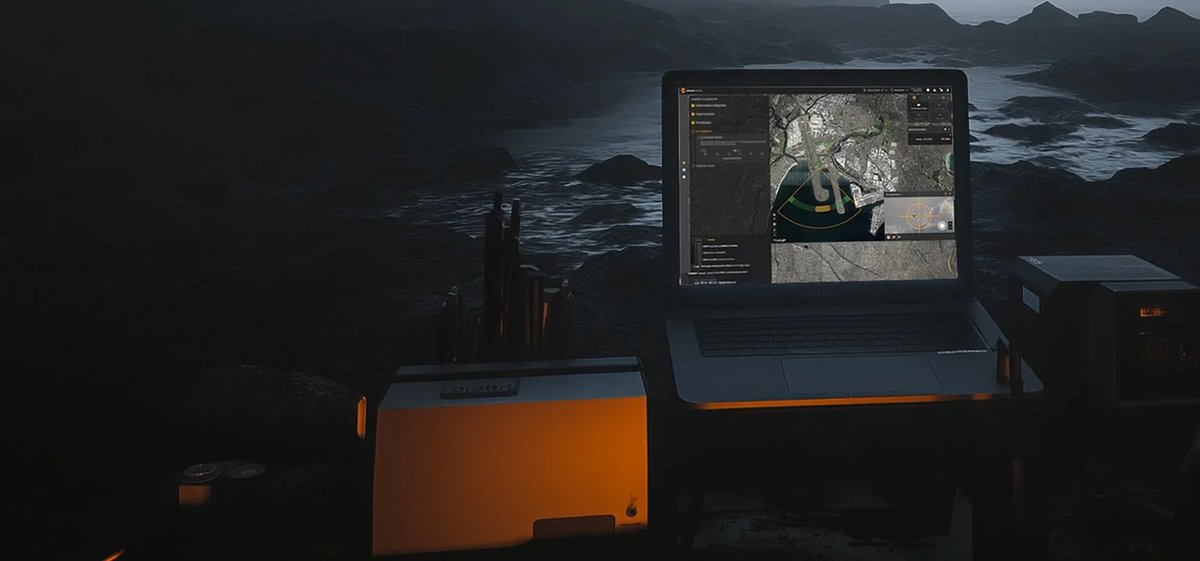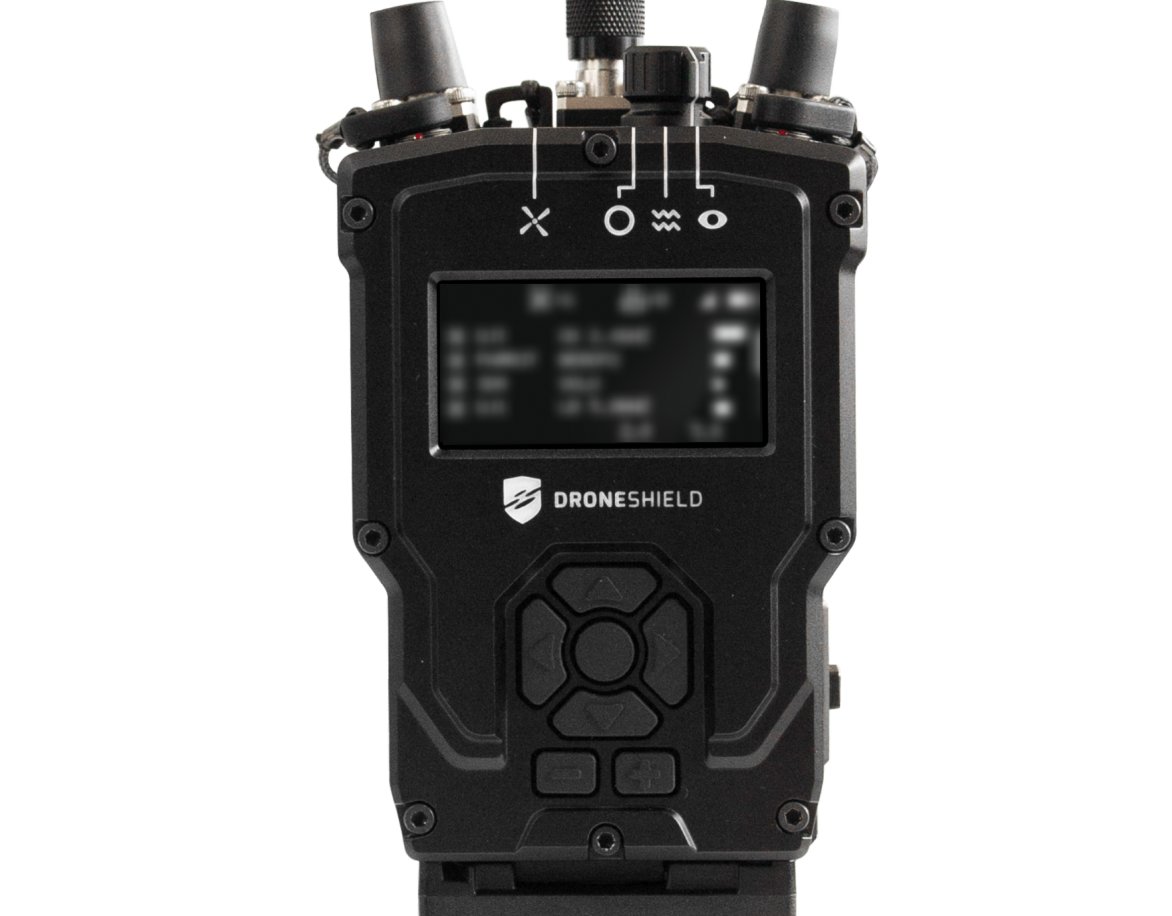

DedroneSensors RF (RF-160 / RF-360)
Passive RF detection sensors that identify, classify and geolocate drones and their remote controls at ranges up to 5 km — no spectrum licence required.
The DedroneSensors RF family covers two complementary field units — the RF-160 and the RF-360 — both of which passively monitor the radio spectrum for the characteristic signal fingerprints of commercial, hobbyist, and custom-built unmanned aircraft and their ground control stations. Because detection is passive, neither sensor emits RF energy and neither requires the spectrum-licensing approvals that complicate active radar or jamming deployment, a significant procurement and operational advantage for civil-airport environments under ICAO or national CAA oversight.
The RF-160 is the core detection node: an omni-directional sensor providing long-range detection up to 5 km, integrated LTE connectivity, and integrated GPS for rapid, standalone deployment. It operates fully automatically once connected and feeds drone-presence alerts and classification data to DedroneTracker.AI over the cloud without manual operator initiation. Its low installation burden makes it the right choice for distributed perimeter rings or positions where cable runs are impractical.
The RF-360 adds full direction-finding and geolocation. Its 360-degree azimuth coverage calculates the bearing to both the drone and the remote pilot, producing a cartographic location plot directly in DedroneTracker.AI. Dimensions are 300 mm × 300 mm × 405 mm, weight 7.0 kg, with an IP65 weathering rating for outdoor year-round installation. Operating temperature range covers −20 °C to +55 °C, making it compatible with GCC summer conditions where ambient air temperatures routinely exceed 45 °C at exposed perimeter positions. Both sensors are optimised for RF-noisy environments — the dense 2.4 GHz and 5.8 GHz congestion typical of an airport campus — and achieve the same 5 km detection ceiling the RF-160 provides for omnidirectional coverage.
When networked together with radar and cameras in a DedroneFixedSite or DedroneTrailer+ deployment, these RF sensors form the primary long-range detection layer, cueing camera and radar assets only after a credible RF signature is confirmed — significantly reducing false-alarm workload on operators.
Technical specifications.
| Detection range (both models) | Up to 5 km |
| RF-360 azimuth coverage | 360 ° |
| RF-360 dimensions (W × D × H) | 300 × 300 × 405 mm |
| RF-360 weight | 7.0 kg |
| RF-360 ingress protection | IP65 |
| RF-360 operating temperature | −20 to +55 °C |
| Connectivity | Integrated LTE + GPS (both models) |
| Regulatory status | Passive — no RF emission licence required |
| Deployment | Cloud-ready; auto-connects to DedroneTracker.AI |
Use cases.
- ›Long-range perimeter detection rings around commercial airports and military airfields
- ›Distributed sensor networks at critical infrastructure where cabling is constrained
- ›Rapid-deployment kits for temporary or event-based perimeter security
- ›Pilot geolocation for law-enforcement interdiction in conjunction with the RF-360 direction-finding capability
- ›RF-noisy urban and industrial environments where radar false-alarm rates are elevated
Replacements & compatible alternatives.
Comparable Counter-UAS & Base Air Defence from other suppliers. Cross-shop on specs — confirm exact fit and compatibility with the supplier before specifying.