
Drone Dome (family)
Combat-proven, end-to-end counter-UAS system that detects, identifies, classifies, and neutralises hostile drones across 360° in all weather conditions.
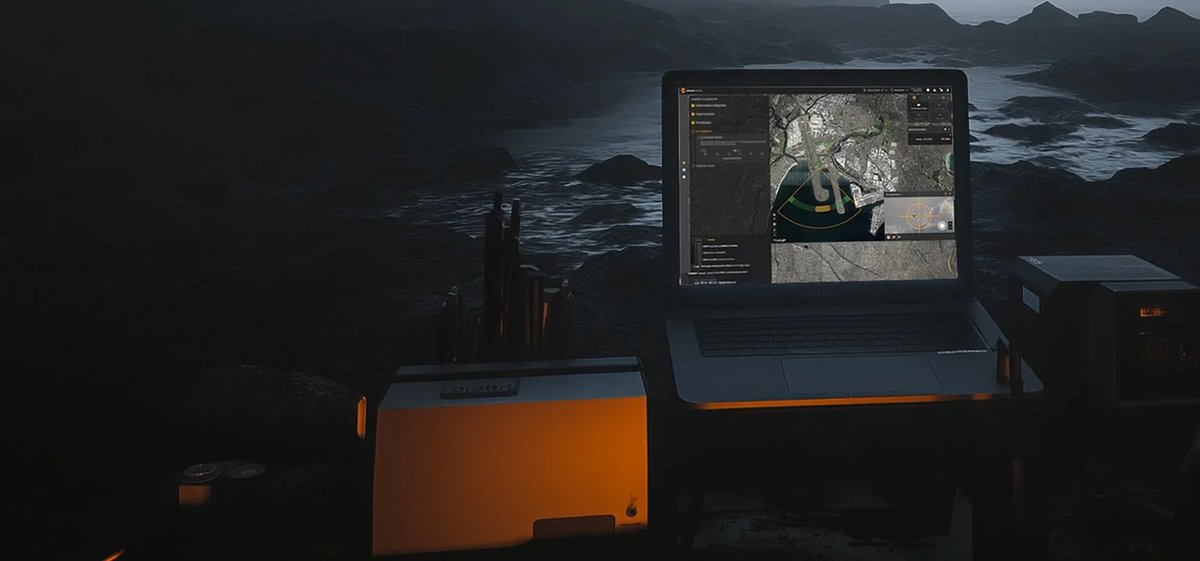
Drone Dome is Rafael Advanced Defense Systems' fully operational C-UAS platform — a multilayered, multi-sensor, multi-effector architecture designed to defeat micro, mini, and larger UAV threats from first detection through to hard or soft kill. At its core sits an AI-enabled C2 system that fuses inputs from AESA pulse-Doppler radar, passive RF/SIGINT sensors, an EO/IR camera, and RF differential time-of-arrival (DTOA) geolocation into a single coherent Air Situational Picture (ASP), updated continuously and displayable by a single operator or distributed across a regional network.
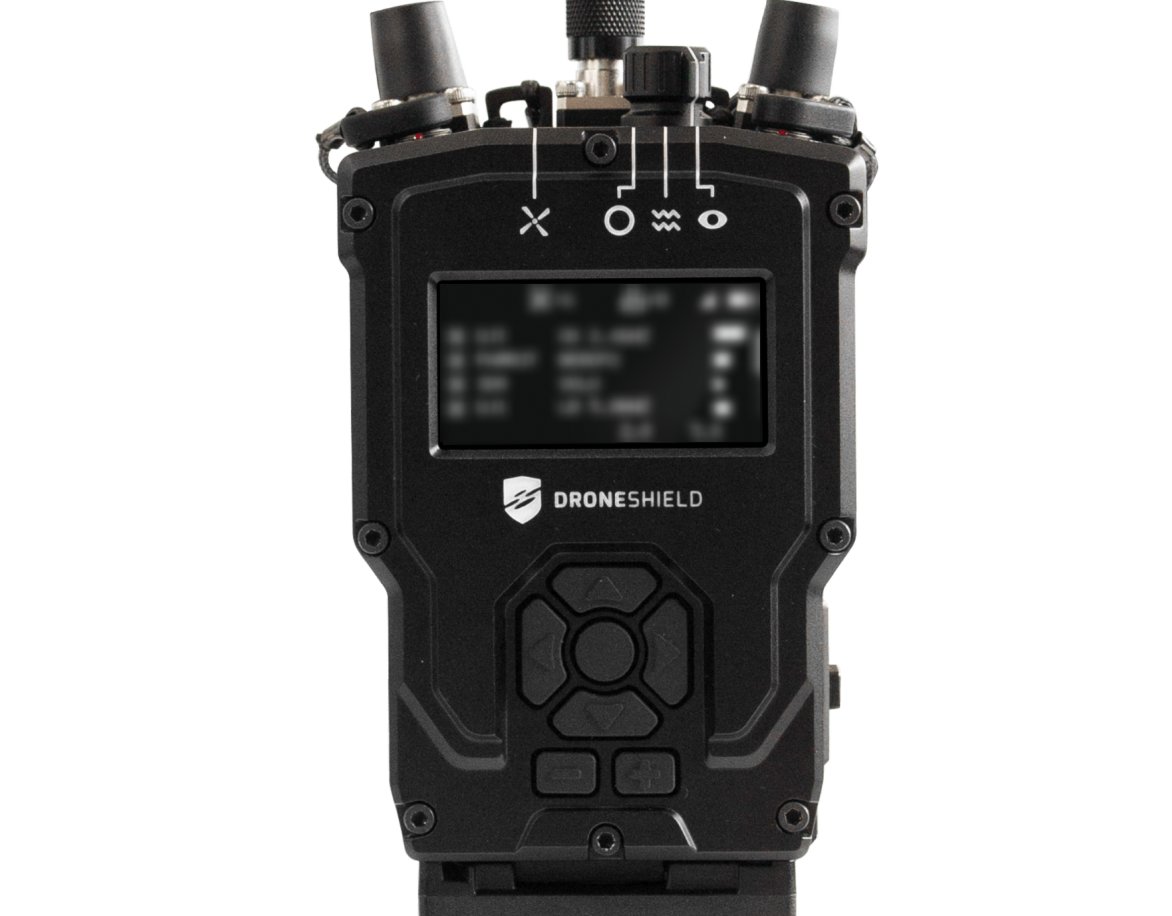
The system covers every stage of the intercept chain: RADA RPS-42 (5 km range) or RPS-82 (10 km range) radars provide 360° high-elevation coverage using up to four phased-array panels; the passive RF sensor covers 70 MHz–6 GHz, locates both the drone and its operator, and can extract serial numbers in demodulation mode; the SPEED-ER EO/IR camera delivers accurate identification to 3 km with a 1,400 mm focal length, automatic video detection, and optional SWIR for dust and haze environments. For neutralisation, a directional/omnidirectional multi-band RF jammer blocks RC links, video downlinks, and GNSS simultaneously across multiple targets; the optional Lite Beam high-power laser provides hard-kill intercept of manoeuvring targets.
Deployment configurations span fast-deployment tripod-mount, vehicle-mounted mobile, fixed stationary, and naval. Open architecture supports integration of third-party sensors and effectors and connects to external UTM and ATM layers. The system is MIL-Standard ruggedised and operates continuously in desert heat, humidity, and salt-fog — all conditions endemic to GCC airport and critical-infrastructure protection roles. It has been selected for major international airports and strategic facilities worldwide, and was evaluated by the FAA at Atlantic City International Airport for civilian airspace integration.
Technical specifications.
| Radar options | RPS-42 MHR (AESA, up to 5 km) / RPS-82 ieMHR (AESA, up to 10 km) |
| Radar coverage | 360° azimuth, 90° elevation (up to 4-panel configuration) |
| Small-target detection range | 3.5 km |
| EO/IR identification range | 3 km |
| EO focal length | 1,400 mm |
| RF sensor frequency range | 70 MHz – 6 GHz |
| RF sensor dynamic range | > 60 dB |
| Jammer type | Directional / omnidirectional multi-band; blocks RC, video, GNSS |
| Hard-kill effector | Lite Beam high-power laser (optional) |
| Deployment configurations | Fast Deployment, Mobile, Stationary, Naval |
| C2 architecture | Open; integrates external UTM, ATM, third-party sensors and effectors |
| Operation modes | Local or remote; single operator or multi-user regional |
| Environmental standard | MIL-Standard ruggedised, all-weather |
Use cases.
- ›Airport and airspace protection — stationary perimeter deployment around international terminals and approach corridors to detect and neutralise rogue commercial and purpose-built threat drones
- ›Military base and forward operating base perimeter defence against micro/mini UAV surveillance and payload delivery
- ›Critical national infrastructure protection — oil and gas facilities, desalination plants, power stations, and ports across the GCC where drone-borne ISR and attack risk is elevated
- ›Large-scale event and VIP protection requiring rapid deployment, short setup time, and temporary airspace lockdown
- ›Naval and offshore platform security using the maritime configuration to protect vessels and offshore installations from drone threats
- ›Integration into national C2 networks as a sensor-effector node within a layered air defence architecture, feeding data to UTM and ATM management centres
Replacements & compatible alternatives.
Comparable Counter-UAS & Base Air Defence from other suppliers. Cross-shop on specs — confirm exact fit and compatibility with the supplier before specifying.