
EagleSHIELD (C-UAS for airports)
Integrated multi-sensor counter-UAS system purpose-built for airport airspace protection, combining 3D holographic radar, electro-optics, and RF detection with scalable soft- and hard-kill effectors.
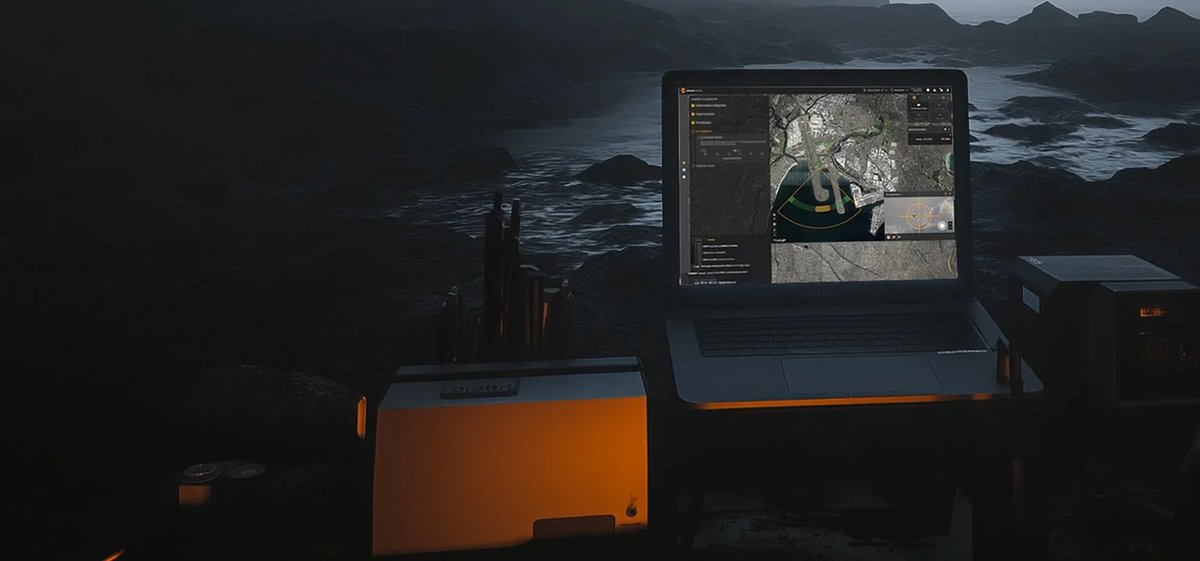
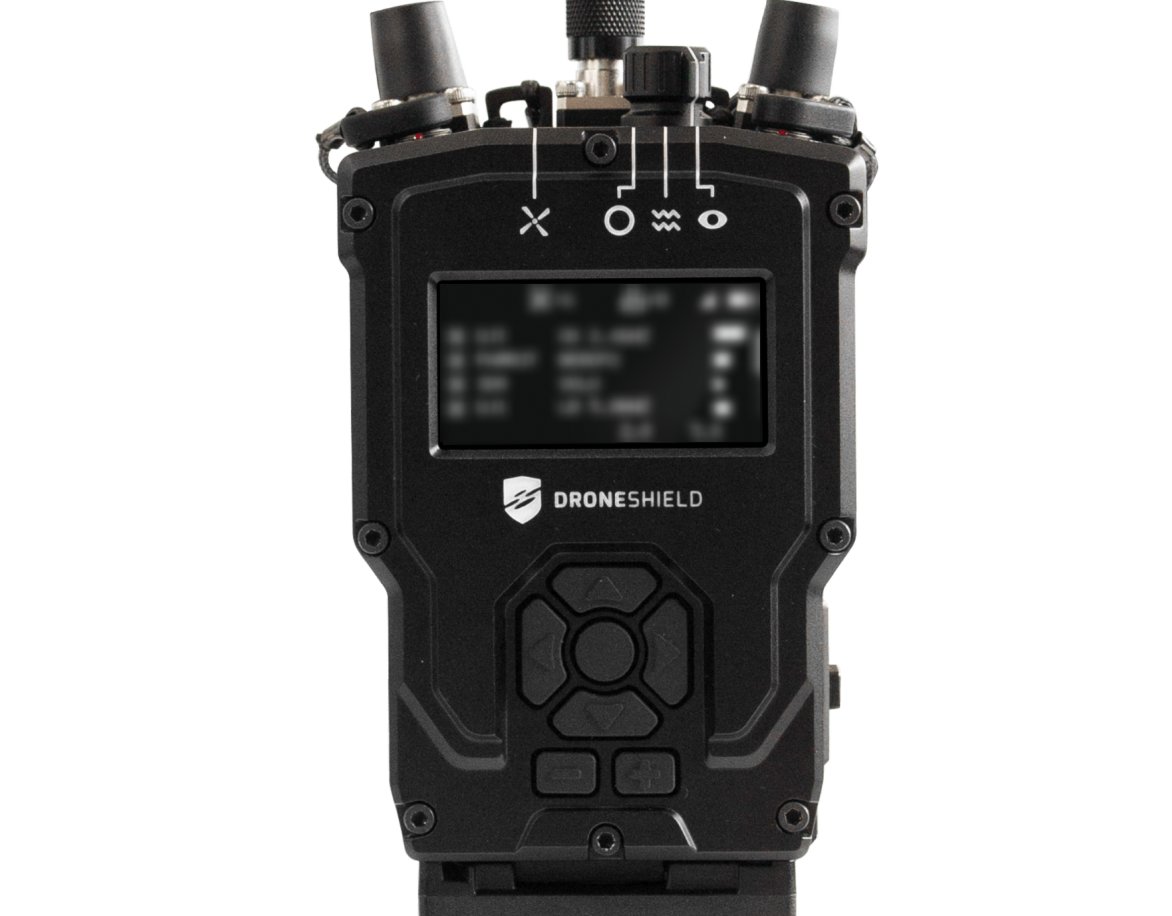
EagleSHIELD is Thales's dedicated civil-aviation counter-unmanned aircraft system, engineered to detect, track, classify and neutralise rogue drones operating within and around airport airspace. At its core sits the Gamekeeper 3D long-range holographic radar — a full 360° surveillance sensor optimised for the low radar-cross-section targets presented by nano, micro, mini and small UAS. This is fused with long-range electro-optical cameras, radio frequency direction finders, and Remote ID receivers to produce a single, AI-enriched air picture that resolves both emitting and non-emitting threats without relying on any single detection channel.
The system is sized for large international airports: the Airspace World 2025 airport-specific variant extends detection coverage to 18 km, encompassing the extended approach and departure corridors where drone incursions most acutely disrupt IFR operations. The AI-driven command and control centre automatically assesses threat level and provides decision-support to security operators, minimising the cognitive burden on small security teams and shortening the window between detection and response.
Neutralisation is graduated and proportional. Soft-kill options — primarily RF signal jamming — are available where regulations permit. Hard-kill paths include drone-swarm interception and directed energy weapons, selectable based on the assessed threat criticality and applicable national legislation. The sensor-agnostic, modular architecture allows operators to scope the sensor and effector mix to their specific site geometry, regulatory environment, and budget.
EagleSHIELD is operationally relevant to any high-throughput or politically sensitive airport. Its civil-regulatory compliance posture and ability to operate alongside live ATC radar feeds make it suitable for hub airports in jurisdictions that have enacted C-UAS legislation — including GCC states where GCAA and GACA increasingly mandate formal counter-drone provisions at category-A aerodromes.
Technical specifications.
| Detection range (airport variant) | Up to 18 km |
| Radar type | Gamekeeper 3D holographic radar, 360° coverage |
| UAS size classes covered | Nano, micro, mini and small UAS |
| Sensor suite | Holographic radar + long-range EO + RF direction finders + Remote ID |
| Threat discrimination | Emitting and non-emitting UAS (collaborative and non-collaborative) |
| Neutralisation options | Soft-kill (RF jamming), hard-kill (intercept drones, directed energy) |
| C2 capability | AI-assisted automatic threat assessment and decision support |
| Architecture | Sensor-agnostic, modular, scalable; integrates with civil and military networks |
| Known civil airport deployments | Heathrow Airport (UK), Auckland Airport (NZ) |
Use cases.
- ›Protecting instrument approach and departure corridors at international hub airports against rogue drone incursions
- ›Persistent 24/7 low-altitude airspace surveillance around airport perimeters and controlled movement areas
- ›Rapid threat classification to differentiate authorised from unauthorised UAS without interrupting normal flight operations
- ›Graduated neutralisation response — RF jamming for recoverable situations, hard-kill options for escalated or non-cooperative threats
- ›Integration into airport security operations centres as a unified C-UAS common operating picture alongside existing ATM and security feeds
- ›Compliance with national and ICAO recommendations for critical infrastructure UAS counter-measures at category-A and state aerodromes
Replacements & compatible alternatives.
Comparable Counter-UAS & Base Air Defence from other suppliers. Cross-shop on specs — confirm exact fit and compatibility with the supplier before specifying.