
Side-by-side
MicroRadar Portable Person-Detection Radar vs GS-20 Underground Sensor
Spec comparison for two products on Aviation Souk. Both compete in perimeter-security.
perimeter-security
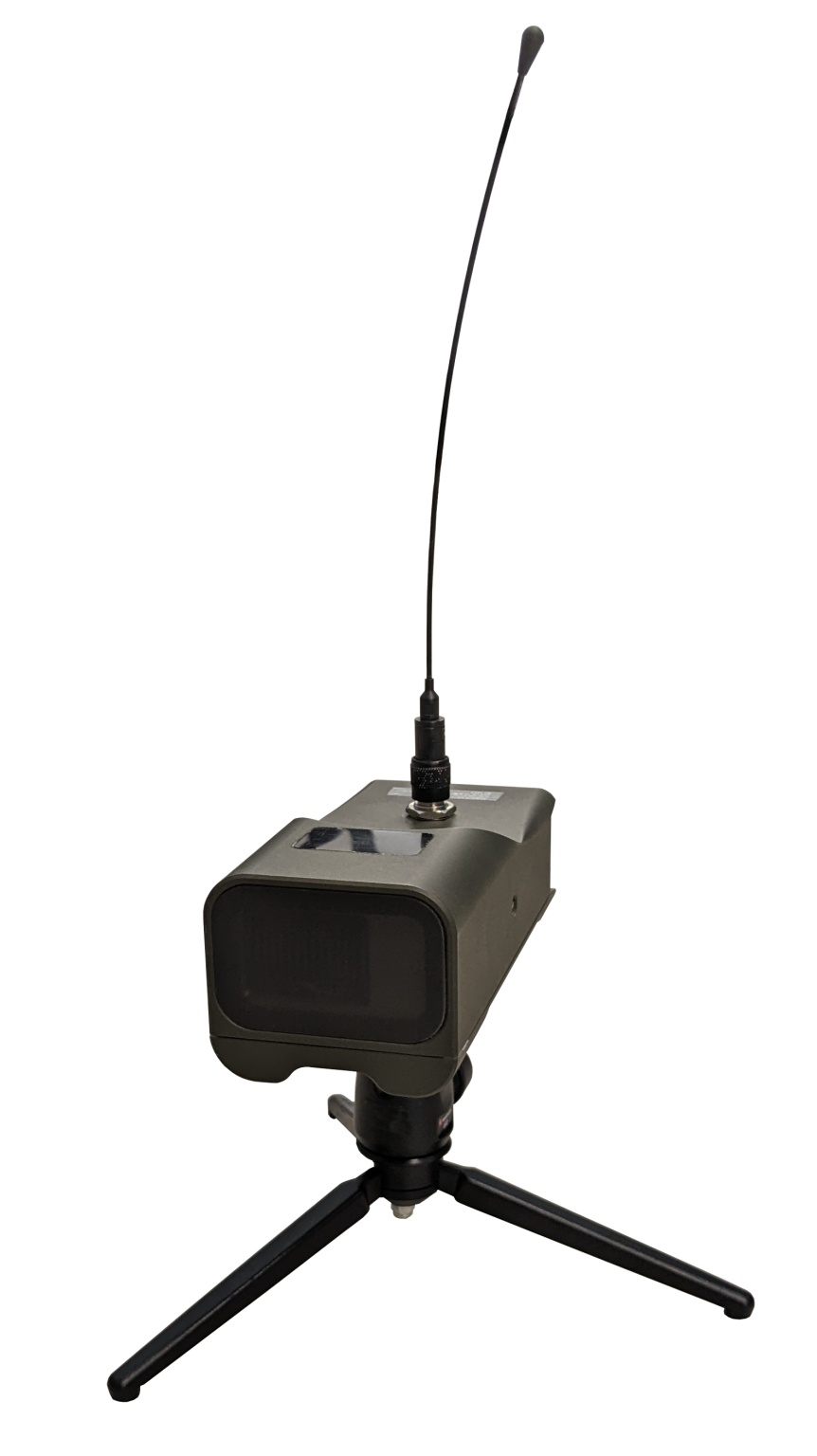
MicroRadar Portable Person-Detection Radar
by exensor
1 kg portable radar node detecting persons at up to 50 m across a 90-degree field of view inside the Flexnet mesh.
perimeter-security
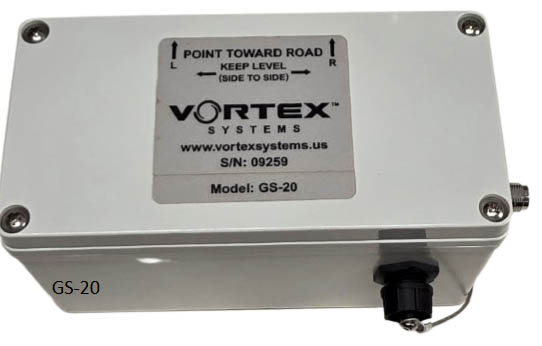
GS-20 Underground Sensor
by vortex-systems
Buried seismic and magnetometer intrusion sensor with 5-Watt VHF reporting up to 35 miles line-of-sight
| Cost of ownership | MicroRadar Portable Person-Detection Radar | GS-20 Underground Sensor |
|---|---|---|
| Price tier | — | — |
| Lead time (weeks) | ?–? | ?–? |
| Delivery | — | — |
| Install | — | — |
| GCC airports deployed | 0 | 0 |
| Certifications | 2 | 0 |
Specs
Technical specifications.
| Spec | MicroRadar Portable Person-Detection Radar | GS-20 Underground Sensor |
|---|---|---|
| Sensing modality | Radar, optimized for person detection at short ranges | — |
| Detection range | Up to 50 m | — |
| Field of view | 90 deg | — |
| Detection modes | Three modes: full detection, detection on trig, low-power detection | — |
| Full detection mode | Continuously on; does not automatically turn off if no tracks are found (~1 day battery) | — |
| Detection-on-trig mode | Off until triggered by another Flexnet sensor; returns to power-off after 10 s without objects in FoV; ideal when low radio EMC profile is required | — |
| Low-power mode | Power cycle 4 s off / 2 s on; full detection on object detection, back to save cycle after 10 s without objects (~5 days battery) | — |
| Target output | Cursor on Target information directly into Flexnet Commander; tracks can be replayed to verify events | — |
| Detection tuning | Exclusion and inclusion zones; adjustable range trigger limit to filter activity outside the range of interest | — |
| Operating channels | 5 separate channels - up to 5 devices with overlapping range covering a larger area | — |
| Mesh role | Individual node in the Flexnet mesh, relaying data from other sensors (Mini/Scout/PIR) | — |
| Dimensions | 170 x 80 x 70 mm | 6.5 x 3 x 3 in |
| Weight | 1 kg | — |
| Battery life (full detection) | ~1 day | — |
| Battery life (low-power mode) | ~5 days | — |
| Battery life (detection on trig) | ~20-30 days; up to ~40 days with external battery | — |
| On-demand adaptations | Vehicle-optimized mode (separate or simultaneous with person detection); fusion of alarms from several devices into a homogenous detection zone | — |
| Operating temperature | -32 to +71 degC | — |
| Environmental standard | MIL-STD-810 | — |
| EMC standard | MIL-STD-461 | — |
| Sensing modalities | — | Internal seismic (pedestrian) + internal magnetometer (vehicle presence and travel direction) |
| External sensor inputs | — | PIR and contact-closure via configurable external connector |
| Sensor fusion | — | Up to 5 sensors |
| Radio | — | Built-in 5 W VHF, programmable RF output power, strong foliage penetration |
| Radio range | — | Up to 35 miles line-of-sight |
| Alarm codes | — | Up to 15 unique |
| Sensor address range | — | 1-9999 |
| Power | — | 8-20 VDC |
| Battery life | — | 1+ year (deployment 3 months to 1 year or longer depending on configuration) |
| Enclosure | — | Watertight, corrosion-proof fiberglass-reinforced polyester with silicone foam gasket |
| Deployment | — | Buried (antenna only above ground) or above-ground |
| Output | — | Mechanical relay to trigger external devices (cameras, lights, sirens) |
| Security | — | Internal tamper switch |
| Timing | — | Real-time clock; programmable self-test messages and scheduled access windows |
| Networking | — | Stand-alone or networked; Coyote/Cub relay mode; compatible with legacy Vortex and Monitron systems |
Decide
Ask Aviation Souk to pick for your tender.
The AI weighs both products against your specific brief — airport, certifications, lead time, budget — and tells you which fits.
Ask the AI →