
Side-by-side
8230AJ GPS/GNSS Anti-Jam Outdoor Antenna vs Septentrio PolaRx5S Ionospheric Monitoring GNSS Reference Receiver
Spec comparison for two products on Aviation Souk. Both compete in Air Traffic Control & Navigation Aids.
Air Traffic Control & Navigation Aids
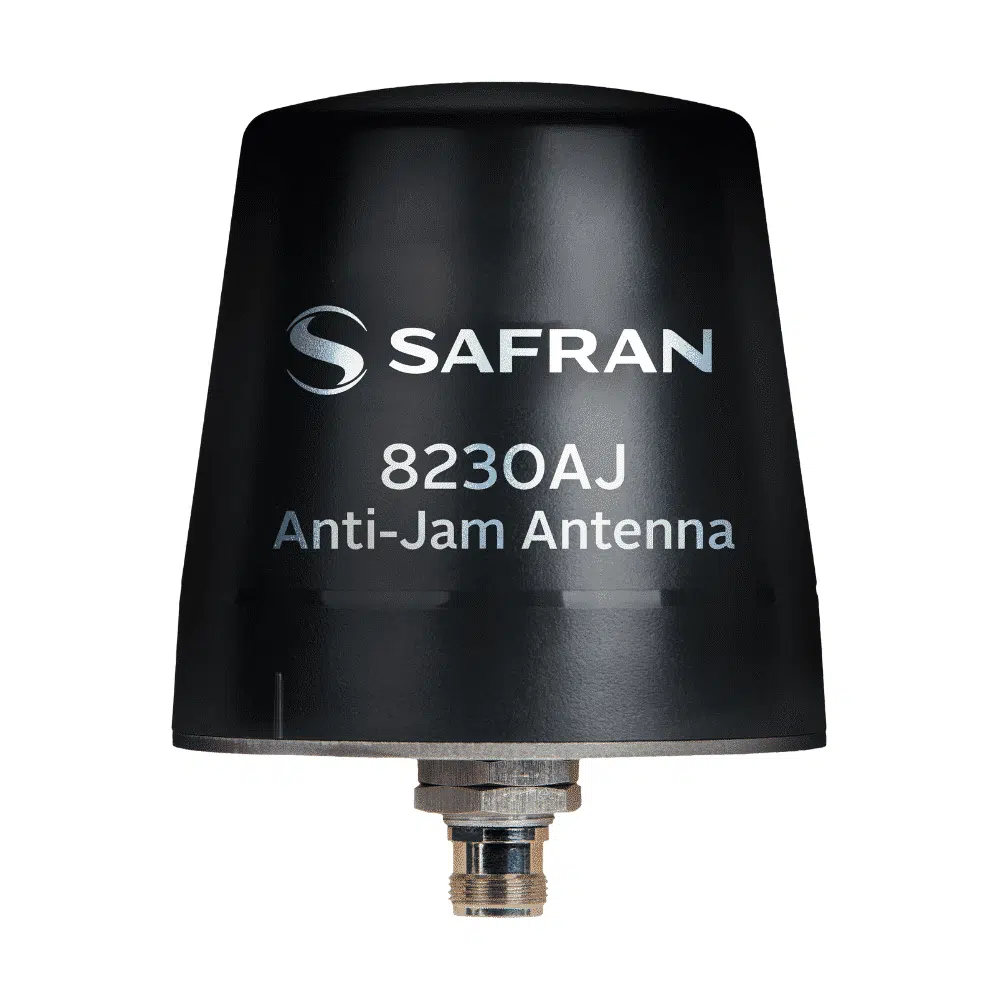
8230AJ GPS/GNSS Anti-Jam Outdoor Antenna
by safran-trusted-4d
Horizon-blocking GNSS timing antenna — 20 dB+ interference rejection against ground-level jammers, IP67, drop-in replacement for standard antennas
Air Traffic Control & Navigation Aids
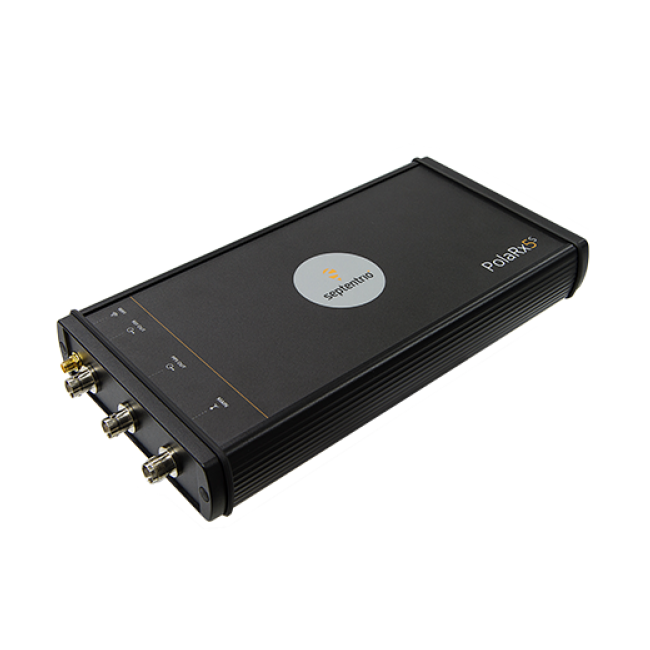
Septentrio PolaRx5S Ionospheric Monitoring GNSS Reference Receiver
by septentrio
Scintillation and interference monitoring reference receiver with 100 Hz output, real-time TEC/scintillation indices and AIM+ RF spectrum monitoring
| Cost of ownership | 8230AJ GPS/GNSS Anti-Jam Outdoor Antenna | Septentrio PolaRx5S Ionospheric Monitoring GNSS Reference Receiver |
|---|---|---|
| Price tier | — | — |
| Lead time (weeks) | ?–? | ?–? |
| Delivery | — | — |
| Install | — | — |
| GCC airports deployed | 0 | 0 |
| Certifications | 2 | 0 |
Specs
Technical specifications.
| Spec | 8230AJ GPS/GNSS Anti-Jam Outdoor Antenna | Septentrio PolaRx5S Ionospheric Monitoring GNSS Reference Receiver |
|---|---|---|
| Type | active antenna with passive horizon-blocking (anti-jam) reception pattern | — |
| Antenna pattern | 0 dB at zenith; >=15 dB rejection below 30 degrees elevation; 20 dB+ effective interference rejection vs standard antenna | — |
| Frequency | 1559-1606 MHz — GPS L1, GLONASS L1, BeiDou B1, Galileo E1, QZSS L1 | — |
| Gain | 40 dB internal LNA (three-stage, mid-section SAW, tight pre-filter) | — |
| Out-of-band rejection | >50 dB below 1500 MHz and above 1650 MHz | — |
| Connector | N-type female; recommended cable low-loss LMR-400 equivalent | — |
| Max cable length | 125 m (400 ft); 250 m (800 ft) with Model 8227 inline preamplifier | — |
| Power | 2.5-16 V, 19 mA typical, fed by receiver over antenna coax | — |
| Size | 100 mm dia x 101.5 mm H (127.2 mm incl. connector); weight 370 g | — |
| Enclosure | UV-resistant high-temperature polycarbonate radome, Zamak white-metal base; IP67 | — |
| Temperature range | -40 to +85 C | — |
| Mounting | L-bracket + hose clamps included (pipe/pole); optional flat-roof mount (8213) and rugged post mount (ANT-KT); drop-in replacement for Model 8230 | — |
| Warranty | 1-year limited | — |
| Ordering / variants | Single model 8230AJ. Accessories: Model 8213 flat-roof antenna mount (ballasted, 39.7 cm dia), Model 8224 antenna splitter, Model 8226 surge suppressor + grounding kit, Model 8227 inline preamplifier, Model 8235 PVC mounting pipe, ANT-KT rugged post mount, standard and plenum-rated cable assemblies, weather-proofing kit. | — |
| Hardware channels | — | 544 |
| Constellations tracked | — | GPS (L1, L2, L5), GLONASS (L1, L2, L3), Galileo (E1, E5ab, AltBOC, E6), BeiDou (B1, B2, B3), IRNSS/NavIC (L5), QZSS (L1, L2, L5), all-in-view SBAS incl. L5 (EGNOS, WAAS, GAGAN, MSAS, SDCM) |
| Interference monitoring | — | AIM+/WIMU interference mitigation incl. chirp jammers; integrated RF spectrum analyser; in-band and out-band interference robustness |
| Ionospheric outputs | — | Real-time TEC and scintillation indices (S4, Phi01/03/10/30/60, code-carrier divergence, scintillation intensity); ISMR records via SBF2ISMR |
| Phase noise (Phi60, 60 min) | — | 0.03 rad |
| Raw data output rate | — | up to 100 (code, carrier, intensity, I&Q correlations) Hz |
| Internal clock | — | Ultra-low-noise OCXO |
| Carrier phase precision (L1/L2) | — | 1 mm |
| Time accuracy (1PPS / event) | — | 10 / 20 ns |
| Tracking / acquisition threshold | — | 20 / 33 dB-Hz |
| Data formats | — | SBF, RTCM 3 (all MSM), NMEA v2.30/v4.10, ISMR |
| Interfaces | — | 4 hi-speed serial, 100 Mbps Ethernet (PoE), Wi-Fi 802.11 b/g/n, USB device + USB host, 10 MHz REF IN, PPS out (max 100 Hz) |
| Onboard logging | — | 16 GB, up to 8 simultaneous sessions, FTP server/push |
| Power consumption | — | 3.8–6 W |
| Input voltage | — | 9–30 VDC |
| Dimensions | — | 284 × 140 × 37 mm |
| Weight | — | 1.06 kg |
| Operating temperature | — | −40 to +65 °C |
| Humidity | — | 5–95 % non-condensing |
Decide
Ask Aviation Souk to pick for your tender.
The AI weighs both products against your specific brief — airport, certifications, lead time, budget — and tells you which fits.
Ask the AI →