
Side-by-side
8230AJ GPS/GNSS Anti-Jam Outdoor Antenna vs GSS200D Detector — GNSS Interference Detection & Analysis Solution
Spec comparison for two products on Aviation Souk. Both compete in Air Traffic Control & Navigation Aids.
Air Traffic Control & Navigation Aids
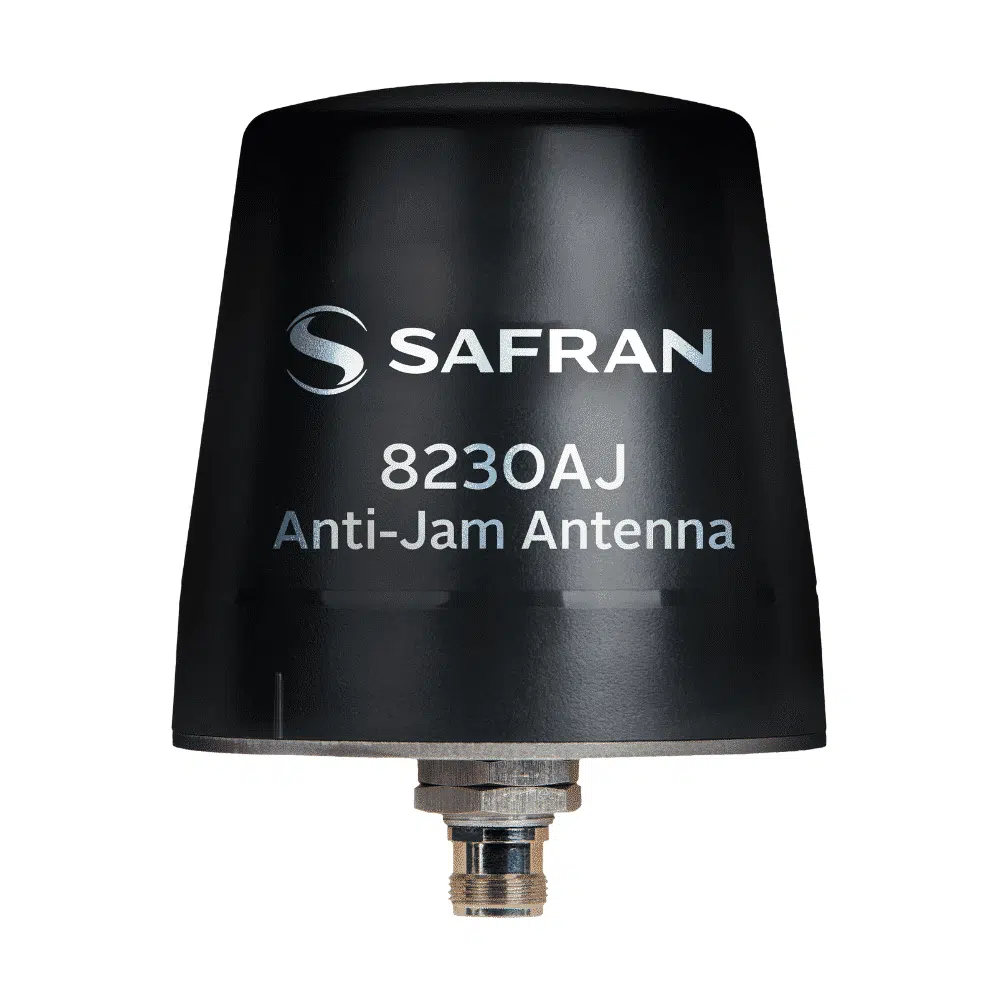
8230AJ GPS/GNSS Anti-Jam Outdoor Antenna
by safran-trusted-4d
Horizon-blocking GNSS timing antenna — 20 dB+ interference rejection against ground-level jammers, IP67, drop-in replacement for standard antennas
Air Traffic Control & Navigation Aids
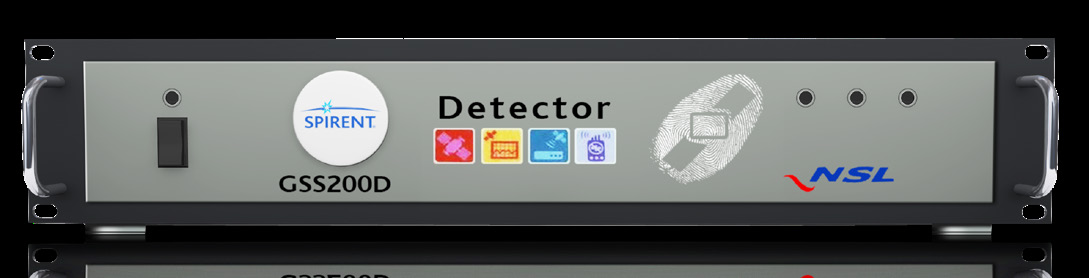
GSS200D Detector — GNSS Interference Detection & Analysis Solution
by spirent
24/7 multi-frequency GNSS RF interference detection with ICAO Annex 10-aligned civil aviation variant and secure cloud analytics
| Cost of ownership | 8230AJ GPS/GNSS Anti-Jam Outdoor Antenna | GSS200D Detector — GNSS Interference Detection & Analysis Solution |
|---|---|---|
| Price tier | — | — |
| Lead time (weeks) | ?–? | ?–? |
| Delivery | — | — |
| Install | — | — |
| GCC airports deployed | 0 | 0 |
| Certifications | 2 | 0 |
Specs
Technical specifications.
| Spec | 8230AJ GPS/GNSS Anti-Jam Outdoor Antenna | GSS200D Detector — GNSS Interference Detection & Analysis Solution |
|---|---|---|
| Type | active antenna with passive horizon-blocking (anti-jam) reception pattern | — |
| Antenna pattern | 0 dB at zenith; >=15 dB rejection below 30 degrees elevation; 20 dB+ effective interference rejection vs standard antenna | — |
| Frequency | 1559-1606 MHz — GPS L1, GLONASS L1, BeiDou B1, Galileo E1, QZSS L1 | — |
| Gain | 40 dB internal LNA (three-stage, mid-section SAW, tight pre-filter) | — |
| Out-of-band rejection | >50 dB below 1500 MHz and above 1650 MHz | — |
| Connector | N-type female; recommended cable low-loss LMR-400 equivalent | — |
| Max cable length | 125 m (400 ft); 250 m (800 ft) with Model 8227 inline preamplifier | — |
| Power | 2.5-16 V, 19 mA typical, fed by receiver over antenna coax | — |
| Size | 100 mm dia x 101.5 mm H (127.2 mm incl. connector); weight 370 g | — |
| Enclosure | UV-resistant high-temperature polycarbonate radome, Zamak white-metal base; IP67 | — |
| Temperature range | -40 to +85 C | — |
| Mounting | L-bracket + hose clamps included (pipe/pole); optional flat-roof mount (8213) and rugged post mount (ANT-KT); drop-in replacement for Model 8230 | — |
| Warranty | 1-year limited | — |
| Ordering / variants | Single model 8230AJ. Accessories: Model 8213 flat-roof antenna mount (ballasted, 39.7 cm dia), Model 8224 antenna splitter, Model 8226 surge suppressor + grounding kit, Model 8227 inline preamplifier, Model 8235 PVC mounting pipe, ANT-KT rugged post mount, standard and plenum-rated cable assemblies, weather-proofing kit. | — |
| Function | — | 24/7 automated GNSS RF interference detection, capture and analysis |
| Supported bands — GPS GLO L1 variant | — | GPS / Galileo / GLONASS / QZSS L1 |
| Supported bands — GPS L1 L5 variant | — | GPS / Galileo L1 and L5 (E5a); SBAS (WAAS, EGNOS, MSAS, GAGAN, SDCM) |
| Monitored bandwidth — GPS L1 | — | 1575.42 MHz centre; 16 MHz (±8 MHz, 3 dB) on GPS GLO L1 variant, 20 MHz (±10 MHz) on GPS L1 L5 variant |
| Monitored bandwidth — GLONASS L1 | — | 1602 MHz centre; 9 MHz (±4.5 MHz, 3 dB) |
| Monitored bandwidth — GPS L5 | — | 1176.45 MHz centre; 20 MHz (±10 MHz) |
| RFI detection basis — GPS GLO L1 variant | — | Calibration level, with absolute power |
| RFI detection basis — GPS L1 L5 variant | — | GPS L1: ICAO Annex 10 interference mask; GPS L5: EUROCAE Galileo MOPS for E5a; DME/TACAN pulsed RFI identification |
| Event characterisation | — | Automatic interference typing (unintentional interference vs jamming) and priority ranking by likely impact on GNSS services |
| Event records | — | Spectrum and spectrogram with time, frequency, duration, power, type and priority per event |
| Alerting | — | Near-instantaneous email notification on event detection (user-selectable) |
| Data management | — | Encrypted event upload to Spirent PT Cloud; secure authenticated web-browser access with analytics, visualization and trend analysis |
| Deployment form factor | — | Rack-mount field detector unit installed at the site of interest, paired with the secure PT Cloud data server |
| Mitigation support | — | Captured RFI events can be re-synthesised and replayed on Spirent PT TestBench to test receivers (available separately) |
Decide
Ask Aviation Souk to pick for your tender.
The AI weighs both products against your specific brief — airport, certifications, lead time, budget — and tells you which fits.
Ask the AI →