
DroneHunter F700
Radar-guided autonomous interceptor drone that physically captures rogue UAS — day or night — using net-based countermeasures with an 85% first-shot success rate.
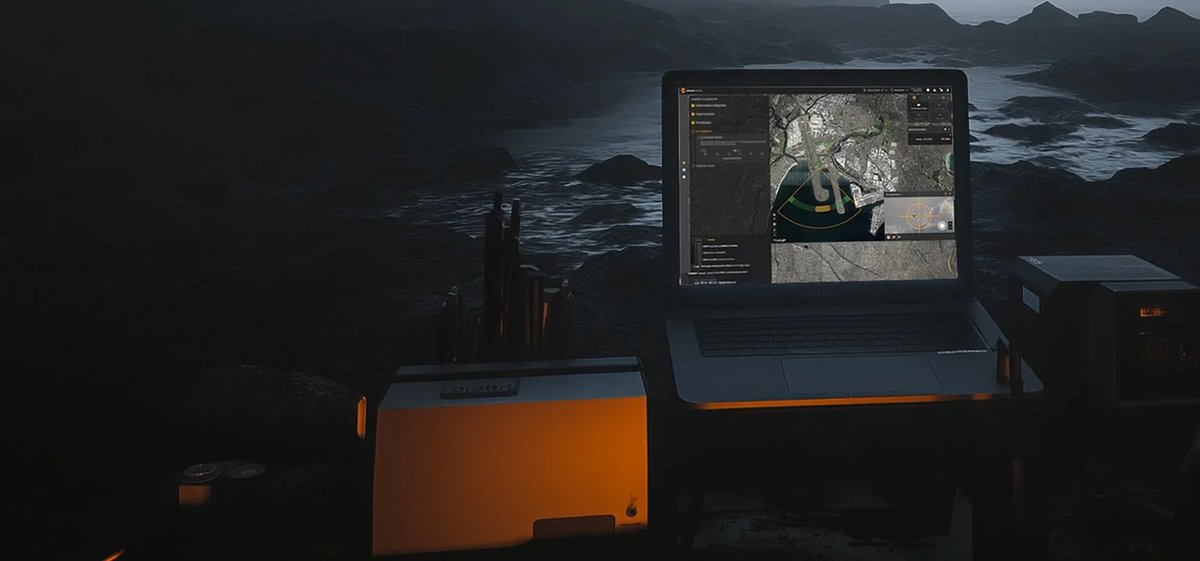
The DroneHunter F700 is a fully autonomous, radar-guided counter-UAS effector designed to physically capture rather than electronically jam or kinetically destroy rogue drones. It carries an onboard TrueView R20 radar for independent target acquisition and mounts multiple interchangeable NetGun launchers — selecting the appropriate net variant (small tether net, medium tether net, DrogueChute for Group-2 rotary, or DrogueNet for large fixed-wing threats) based on the classified target type. Once a threat cue arrives from SkyDome Manager or its own onboard radar, the F700 launches autonomously within seconds of operator authorization and selects one of four mission modes: Pursue (surveillance, optical streaming, warning activation), Attack (active chase and net capture with tethered tow-away), Defense (intercept-ahead posture against targets faster than the interceptor), or Autonomous Tow-Away (transport of the neutralised drone to a forensics drop zone).
For airport and critical-infrastructure procurement teams, the net-capture approach is a material differentiator: it eliminates falling debris and projectile risk from kinetic or fragmenting countermeasures, making the system usable over occupied areas. A maximum flight radius of 4 km covers the standard airport perimeter exclusion zone. With a takeoff weight of 18 kg and a carbon-fibre frame, it is portable enough for vehicle-mounted or man-portable rapid-deployment kits. Field operations have documented more than 5,000 drone captures, and the reload cycle runs in under three minutes — supporting back-to-back sorties during sustained intrusion events. In the GCC, where airport security planners operate under both ICAO standards and national drone-regulation frameworks, the F700's human-on-the-loop architecture and AES-256 encrypted C2 link support the governance requirements of regulated airspace operations.
Technical specifications.
| Wingspan (tip to tip) | 1,963 mm |
| Length (tip to tip) | 1,608 mm |
| Height (landing gear down) | 678 mm |
| Maximum speed | 25 m/s |
| Maximum flight operating radius | 4 km |
| Mission time (typical) | 1–3 minutes (0.5–1.5 km) |
| Reload time | Under 3 minutes (battery + NetHead swap) |
| First-shot success rate | 85% |
| C2 encryption | AES-128 or AES-256 |
| Target classes | Group-1, Group-2, and low-end Group-3 UAS |
| Onboard radar | TrueView R20 (15.4–16.7 GHz AESA) |
| Battery recharge time | 75 minutes |
| Operating temperature | -10 °C to +50 °C |
| Maximum takeoff weight | 18 kg |
| Maximum tethered capture weight | 6 kg |
Use cases.
- ›Kinetic counter-UAS response at commercial and military airports within the 4 km perimeter
- ›Stadium and large-event airspace protection where falling debris from kinetic effectors is prohibited
- ›Critical-infrastructure perimeter defence at energy plants, desalination facilities, and government compounds
- ›Rapid-deployment man-portable C-UAS kit for forward operating bases or temporary event security
- ›Forensic drone capture — tow-away mode delivers neutralised UAS intact for intelligence exploitation
- ›Multi-unit coordinated response under SkyDome Manager across extended urban or campus perimeters
Replacements & compatible alternatives.
Comparable Counter-UAS & Base Air Defence from other suppliers. Cross-shop on specs — confirm exact fit and compatibility with the supplier before specifying.