
Side-by-side
Pathfinder Receiver (Base Station Kit) vs Flexnet UGS System
Spec comparison for two products on Aviation Souk. Both compete in perimeter-security.
perimeter-security
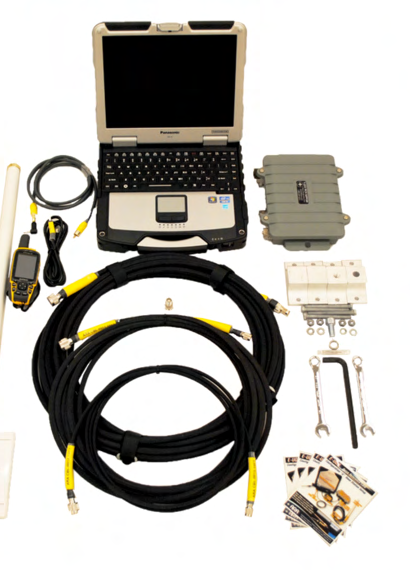
Pathfinder Receiver (Base Station Kit)
by ara
MIL-STD-810-rated base station that turns Pathfinder ground sensors into a live intrusion-alert network
perimeter-security
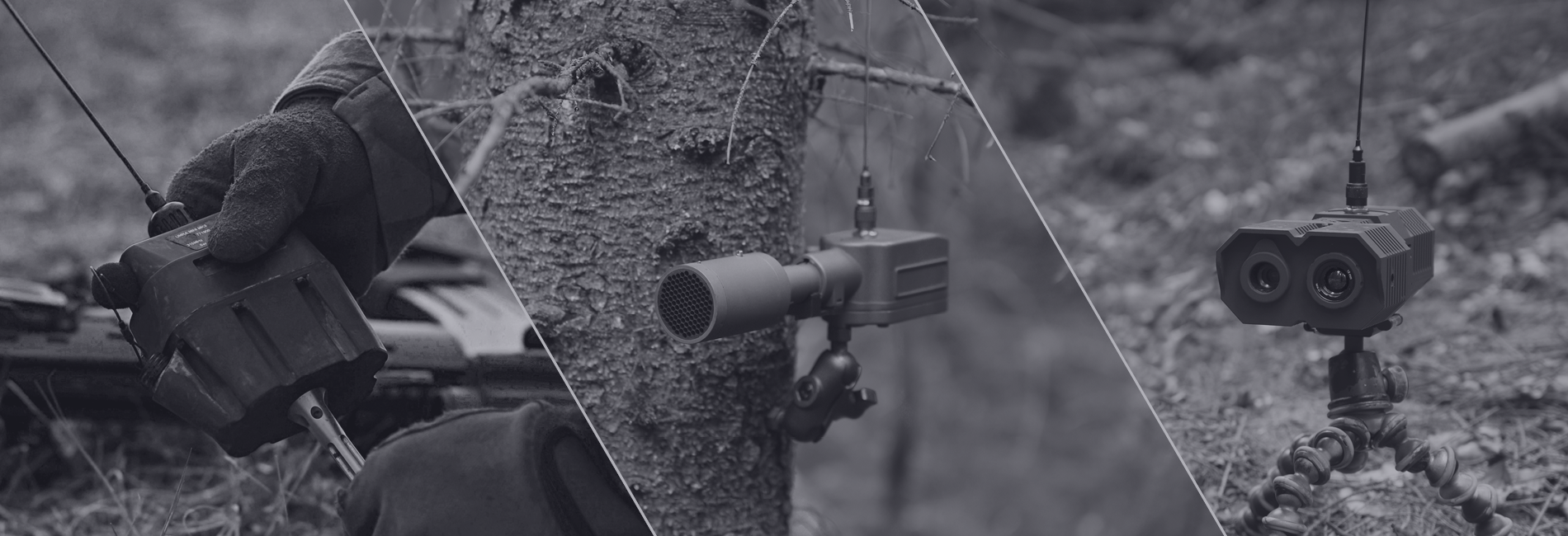
Flexnet UGS System
by exensor
Operationally proven wireless unattended ground sensor network for covert detection, classification and identification of threats.
| Cost of ownership | Pathfinder Receiver (Base Station Kit) | Flexnet UGS System |
|---|---|---|
| Price tier | — | — |
| Lead time (weeks) | ?–? | ?–? |
| Delivery | — | — |
| Install | — | — |
| GCC airports deployed | 0 | 0 |
| Certifications | 2 | 0 |
Specs
Technical specifications.
| Spec | Pathfinder Receiver (Base Station Kit) | Flexnet UGS System |
|---|---|---|
| Dimensions (H x D x W) | 2.1 x 7.2 x 8.4 in | — |
| Weight | 3.76 lb | — |
| Environmental rating | MIL-STD-810: Method 506.4 Procedure I (rain); Method 510.4 Procedures I and II (blowing dust and sand) | — |
| Operating temperature | -32 to +49 C (-25 to +120 F) | — |
| Storage temperature | -33 to +71 C (-28 to +160 F) | — |
| Connectors | 2x MIL-style bayonet (power, RS-232 serial); 1x waterproof RJ-45 Ethernet; 1x TNC female antenna | — |
| Power | 100-240 VAC, 47-63 Hz line power providing 12 VDC | — |
| Sensor link range | typically up to 10 km, terrain dependent; elevating the receiver antenna greatly increases effective range | — |
| Kit contents | Base station with Pathfinder software installed, waterproof Ethernet receiver, antenna, 10 ft antenna cable, antenna mounting hardware, installation tools, user manual, quick-reference cards | — |
| Standard sensor pairing | Kits normally include 60 Mini or 30 XL sensors; individual quantities customisable and expandable | — |
| Deployment | User-friendly, ready to use in minutes; no internet, gateways or relay infrastructure required | — |
| Export classification | ECCN 6A999.a under US Export Administration Regulations; export licence may be required depending on destination, user and end use | — |
| Sensing modalities | — | Seismic, acoustic, magnetic, PIR/thermal, radar, electro-optical (data fusion) |
| Network architecture | — | Self-configuring, self-adaptive wireless mesh; every device is a network node |
| Sensor-to-gateway radio range | — | 1 km |
| Encryption | — | AES-256 |
| Node battery life (typical sensor nodes) | — | 30 days rechargeable, 1-year battery option |
| Localisation | — | Integrated GPS self-localisation per node |
| Integration | — | Standalone or BMS integration; API for third-party sensors |
| Environmental standard (nodes) | — | MIL-STD-810 |
| EMC standard (nodes) | — | MIL-STD-461 |
Decide
Ask Aviation Souk to pick for your tender.
The AI weighs both products against your specific brief — airport, certifications, lead time, budget — and tells you which fits.
Ask the AI →